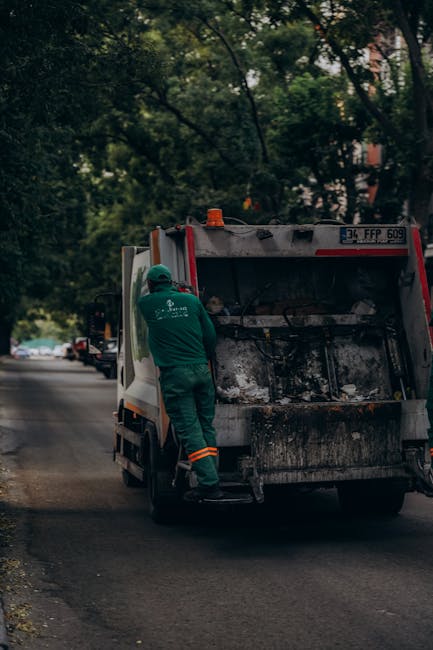
Fortis Green Bulky Waste Pickup: Prices & Rules
If you are clearing out a flat, replacing an old sofa, or finally dealing with the cupboard full of "I'll sort that later" items, bulky waste pickup in Fortis Green can save a lot of time and hassle. The catch is that prices and rules can vary depending on what you need removed, how much there is, and whether the items are accepted under local or private collection arrangements.
This guide breaks down Fortis Green bulky waste pickup: prices & rules in plain English. You will learn what typically affects the cost, what items are usually accepted, what to avoid putting out, and how to book the right service without paying more than necessary. We will also cover practical next steps, compliance points, and the small details that often make the difference between a smooth pickup and a frustrating rebook.
Table of Contents
- Why Fortis Green Bulky Waste Pickup: Prices & Rules Matters
- How Fortis Green Bulky Waste Pickup: Prices & Rules Works
- Key Benefits and Practical Advantages
- Who This Is For and When It Makes Sense
- Step-by-Step Guidance
- Expert Tips for Better Results
- Common Mistakes to Avoid
- Tools, Resources and Recommendations
- Law, Compliance, Standards, or Best Practice
- Options, Methods, or Comparison Table
- Case Study or Real-World Example
- Practical Checklist
- Conclusion
- Frequently Asked Questions
Why Fortis Green Bulky Waste Pickup: Prices & Rules Matters
Bulky waste is easy to underestimate. A single wardrobe, broken bed frame, or bulky appliance may not seem like much until you try to move it down stairs, around tight hallways, or into a vehicle that is far too small. In an area like Fortis Green, where homes range from flats to larger family properties, the question is often less about whether you can get rid of the items and more about how you do it efficiently, safely, and affordably.
Understanding the rules matters because bulky items are not the same as everyday household rubbish. Some items need separate handling. Others may be rejected if they contain hazardous components, food waste, liquids, or electrical parts that have not been prepared correctly. If you know the process before you book, you are far more likely to get a fair price and a smooth collection.
There is also a money side to this. Prices can change based on volume, weight, labour, access, and disposal route. That means two households with "roughly the same amount" of waste can end up with different quotes. A little preparation goes a long way. To be fair, this is one of those jobs where five minutes of planning can save you a surprisingly awkward amount of money.
If you are also comparing broader clearance options, it can help to look at related services such as general waste removal, furniture clearance, or even a more complete home clearance service when the job goes beyond a few large items.
How Fortis Green Bulky Waste Pickup: Prices & Rules Works
Most bulky waste pickups follow a similar pattern, even if the provider or collection method differs. You identify the items, request a quote or booking, confirm what can be collected, and choose a time slot. On the day, the team either collects from the kerbside, a driveway, or directly from inside the property, depending on the agreed service.
The price usually reflects a few core factors:
- Volume: how much space the items take up in a van or truck
- Weight: heavier materials can increase handling and disposal costs
- Access: stairs, narrow entrances, parking limits, and long carries matter
- Item type: furniture, mattresses, white goods, and mixed waste may be priced differently
- Sorting needs: items requiring separation for recycling or safe handling can affect the quote
Rules are equally important. A provider may accept a sofa but not a sofa with embedded electrical parts. They may collect a fridge but require it to be emptied and unplugged first. They may refuse paint tins, gas canisters, or hazardous materials. This is normal, not a nuisance. The restrictions are there to protect workers, the public, and the disposal chain.
For businesses, the process is often slightly more structured. Office items, archive furniture, shelving, and mixed commercial waste may be better handled through office clearance or business waste removal, especially if you need records, invoicing, or scheduled pickups.
In practice, a good quote is not just a number. It is a workable plan: what gets collected, when, from where, and under what conditions. That is what you should be comparing, not just the headline price.
Key Benefits and Practical Advantages
There are a few clear reasons people choose a bulky waste pickup rather than trying to solve the problem themselves. The biggest is simply convenience. Large items are awkward. They are hard to lift, tricky to transport, and can quickly turn into a two-hour job that drags through half the day.
Another major advantage is reduced risk. Moving heavy or bulky objects without proper technique can lead to damaged walls, strained backs, or broken items that become even more expensive to deal with. A professional collection helps limit that risk, especially in properties with stairs or limited parking.
There is also the environmental side. Reputable operators sort waste more carefully, separate recyclable materials where possible, and avoid sending everything to landfill by default. If sustainability matters to you, that difference is not cosmetic. It affects the route your waste takes after it leaves your property. You can explore this approach further through a provider's recycling and sustainability commitments.
Other practical benefits include:
- less disruption to your home or neighbours
- faster turnaround before a move, sale, or renovation
- clearer pricing than repeated small trips to a tip or recycler
- fewer surprises if the provider explains exclusions upfront
For many households, the real benefit is mental as much as physical: the clutter is gone, the space feels usable again, and the task stops hanging over you. Not glamorous, perhaps, but very satisfying.
Who This Is For and When It Makes Sense
Bulky waste pickup makes sense for anyone with one or more items that are too large, heavy, or inconvenient for standard rubbish collection. In Fortis Green, that often includes tenants moving out, homeowners replacing furniture, landlords dealing with end-of-tenancy clear-ups, and families doing a long-overdue reset of storage areas.
It is especially relevant if you are dealing with:
- old sofas, armchairs, wardrobes, tables, or bed frames
- broken appliances such as washing machines or fridges
- garage or loft clutter that has accumulated over time
- garden debris, sheds, or outdoor furniture
- mixed items from a move, refurbishment, or bereavement clearance
If the waste is concentrated in one area, you might only need a targeted pickup. If the whole property needs sorting, a broader service such as flat clearance, house clearance, or garage clearance may be better value.
It also makes sense when time matters. Council services, where available, may be useful but can involve set dates, item limits, and specific placement rules. Private pickup can be the better option if you need flexibility or want the items removed as part of a wider service window.
Step-by-Step Guidance
If you want the process to run smoothly, follow a simple sequence. It keeps the quote accurate and cuts down on last-minute issues.
- List every item clearly. Include quantity, approximate size, and whether anything is especially heavy or awkward.
- Check what can and cannot be taken. Ask about mattresses, electricals, liquids, and anything that might be considered hazardous.
- Measure access points. Stairwells, lifts, front doors, and parking availability all affect the collection plan.
- Separate reusable, recyclable, and general waste where possible. This can improve efficiency and sometimes reduce cost.
- Request a written quote or clear price basis. Make sure it explains what is included: labour, loading, disposal, and any extra charges.
- Prepare the items in advance. Empty drawers, remove contents, and disconnect appliances safely.
- Choose the collection method that fits the property. Kerbside works for some jobs; full access pickup works better for others.
- Confirm the timing and any parking needs. In busy residential streets, this small detail can save a lot of stress.
A good rule of thumb: the more accurately you describe the job, the less likely it is that the final price changes on arrival. Not every job is straightforward, but clarity helps a lot.
Expert Tips for Better Results
One of the smartest things you can do is group similar items together before asking for a quote. A mixed pile of furniture, appliances, and bagged waste is harder to price than a neat list. Even if the final collection is still mixed, the estimate tends to be more reliable when the provider can visualise the load.
Another tip is to think about access as part of the cost, not an afterthought. A third-floor flat with no lift is a different job from a ground-floor pickup next to the road. If you are upfront about that, you are more likely to get a fair and realistic quote the first time.
Also, remember that not every "cheap" quote is actually cheap. If a provider excludes labour, has vague disposal wording, or adds fees for basic loading, the final bill can rise quickly. A slightly higher but clearer price is often better value. Truth be told, hidden extras are where a lot of bad deals live.
Useful habits that pay off:
- take photos of the items before booking
- keep pathways clear on collection day
- remove personal items from drawers, shelves, and cupboards
- flag unusual items early, such as pianos, large mirrors, or awkward dismantled frames
- ask whether recycling is part of the service
If your job is part of a bigger clear-out, it can be worth comparing related services such as furniture disposal, loft clearance, or garden clearance so you are not booking multiple fragmented collections unnecessarily.
Common Mistakes to Avoid
Most problems with bulky waste pickups are avoidable. The first mistake is under-describing the job. People often say "just a few items" when the reality is a packed room, a dismantled wardrobe, and two mattresses. That kind of surprise can change the quote or delay the collection.
The second mistake is assuming every item is acceptable. This is where people get caught out with batteries, paints, chemicals, gas canisters, or broken electricals that should be handled separately. If in doubt, ask before you book.
Another common issue is leaving everything until the last minute. If you have not cleared pathways, unhooked appliances, or checked parking, collection day can become unnecessarily slow. That may lead to extra labour charges or a rescheduled visit.
Other mistakes include:
- forgetting to mention basement, attic, or upper-floor access
- mixing general rubbish with reusable furniture without telling the provider
- assuming the council and private services have identical rules
- choosing a price without checking what is actually included
A calm, accurate booking is usually the cheapest booking. It sounds simple because it is.
Tools, Resources and Recommendations
You do not need specialist equipment for every pickup, but a few simple tools can make preparation easier and safer. A tape measure helps confirm item sizes and access routes. A phone camera is useful for taking clear photos for quotes. Strong bin bags, labels, and packing tape help if you are separating loose contents from larger items.
For dismantling furniture, basic hand tools may be enough, but only if you are confident using them safely. If an item is heavy or spring-loaded, do not force it. Sometimes the most sensible decision is to leave the dismantling to the team handling the clearance.
When you are comparing providers or planning a larger project, these pages can be useful starting points:
- pricing and quote guidance for understanding how estimates are structured
- about the company to check experience and service approach
- insurance and safety information for added reassurance
- health and safety policy if safety procedures matter for your site or building
- contact the team if your pickup is unusual or time-sensitive
If the waste is tied to a business move, refurbishment, or office reconfiguration, a dedicated office clearance or broader builders waste clearance may be the better fit.
Law, Compliance, Standards, or Best Practice
Bulky waste disposal in the UK sits within a framework of general waste duty, safe handling expectations, and environmental responsibility. You do not need to become a legal expert to book a collection, but you should choose a provider that handles waste responsibly and can explain where it goes.
Best practice usually includes:
- separating recyclable material where practical
- avoiding contamination of reusable or recyclable items
- not mixing hazardous waste with ordinary bulky waste
- using a service that follows safe lifting and transport procedures
- providing clear terms on what is and is not included in the collection
For householders, the main responsibility is to present waste honestly and safely. For landlords, agents, and businesses, the expectations are higher because there may be extra obligations around waste transfer, records, and site safety. If your job involves commercial premises, review business waste removal and the provider's terms and conditions before booking.
It is also wise to check that the team working on your property understands access issues, manual handling risks, and basic safeguarding around shared entrances. That matters more in apartment blocks and managed buildings than many people realise.
Options, Methods, or Comparison Table
There is more than one way to deal with bulky waste in Fortis Green. The right choice depends on urgency, volume, access, and how much sorting you want to do yourself.
| Option | Best for | Pros | Limitations |
|---|---|---|---|
| Council bulky waste service | Small, simple household pickups | Often convenient for standard items and scheduled collection | May have item limits, fixed dates, and stricter presentation rules |
| Private bulky waste pickup | Fast, flexible collections or awkward access | More flexible timing, clearer handling of mixed jobs | Price can vary depending on volume, labour, and access |
| Full property clearance | Moves, refurbishments, probate, or major decluttering | Handles more than just one or two large items | Usually more involved than a basic pickup |
| Self-transport to a tip or recycling facility | Smaller loads and people with suitable vehicles | Can be cost-effective if you have time and transport | Heavy lifting, parking, and sorting are your responsibility |
If your load is mostly old furniture, a focused furniture clearance service can be a better fit than a generic waste job. If you are dealing with mixed household clutter, house clearance is often the cleaner option.
Case Study or Real-World Example
Imagine a Fortis Green flat where a tenant is moving out and needs an old sofa, a broken desk, a mattress, and a couple of heavy storage units removed before handover. At first glance, it sounds straightforward. Then the details appear: the flat is on the third floor, the lift is small, the hallway is narrow, and parking outside is limited.
In that situation, the cheapest quote is not always the best one. A better approach is to give full details early, including access and item dimensions. The provider can then judge whether they need two staff, whether dismantling is likely, and how long the job will take. That makes the price more reliable and reduces the chance of a change on the day.
Now compare that with a ground-floor house where items can be moved directly to the vehicle. The same number of items may cost less because access is easier and loading is faster. Same "amount of waste," very different job. That is why clear pricing for bulky waste is rarely about item count alone.
In cases like this, some customers discover that a fuller service, such as flat clearance or home clearance, is actually better value than separate item pickups. It depends on the true scope of the job, not just the labels used to describe it.
Practical Checklist
Use this checklist before booking your pickup.
- Confirm exactly which bulky items need removal
- Check whether any items are hazardous, electrical, or restricted
- Measure large pieces and note access routes
- Take photos for an accurate quote
- Decide whether you need kerbside or inside collection
- Ask what is included in the price
- Clarify whether labour, loading, and disposal are covered
- Remove personal belongings from furniture and storage items
- Make sure pathways, doors, and stairs are clear
- Check parking or loading restrictions for collection day
- Ask about recycling, reuse, and responsible disposal
- Keep the booking confirmation and any terms handy
Expert summary: The best Fortis Green bulky waste pickup is the one with the clearest quote, the least confusion, and the fewest surprises on collection day.
Conclusion
Fortis Green bulky waste pickup is most useful when you want a fast, safe, and properly managed way to remove large items without turning the process into a weekend project. The key is understanding the rules before you book and matching the service to the real job, not the simplified version in your head.
Look closely at access, item type, volume, and what the price actually includes. If you do that, you are much more likely to get a fair quote and a smooth collection. For bigger clear-outs, it may be worth exploring related services such as waste removal, furniture disposal, or a more complete property clearance depending on what needs to go.
Get a free quote today and see how much you can save.
Frequently Asked Questions
What counts as bulky waste in Fortis Green?
Bulky waste usually means large household items that are too big or awkward for normal bin collection, such as furniture, mattresses, white goods, and large broken items. Exact acceptance rules depend on the service, so it is always worth checking before booking.
How much does a bulky waste pickup usually cost?
Prices depend on the number of items, the space they take up, the weight, and how easy they are to collect. Access issues such as stairs or limited parking can also affect the quote. A clear description is the best way to get an accurate estimate.
Can I leave bulky items on the pavement?
Usually only if the collection has been arranged that way and the provider or local service has instructed you to do so. Leaving items out without booking can cause problems, including complaints or refusal of collection.
Do I need to be home for the pickup?
That depends on the collection method and the provider's process. Some pickups can be done from outside if access is clear and everything has been agreed in advance. Others need someone present to confirm items and provide access.
Which items are commonly refused?
Hazardous materials, gas canisters, liquids, some chemicals, and certain electrical or contaminated items are often refused. Providers may also reject anything that has not been described accurately or prepared safely.
Is it cheaper to use a council collection or a private service?
Council options can be cost-effective for simple, standard items, but they may be less flexible and have tighter rules. Private services are often better when timing, access, or mixed items are part of the job. The cheapest option on paper is not always the best value overall.
Can bulky waste pickup include dismantling furniture?
Sometimes, yes, but not always as part of the standard price. If an item needs dismantling, mention that early so the quote reflects the real workload. Never assume dismantling is included unless it is clearly stated.
What should I do before collection day?
Remove personal items, clear walkways, confirm parking arrangements, and make sure the items match the booking. If appliances are involved, they should normally be emptied and disconnected safely before collection.
Can I mix furniture with general rubbish?
Some services accept mixed loads, but it is better to tell the provider exactly what is in the pile. Clear segregation can help with recycling and may improve the accuracy of the quote. If the load is mostly furniture, a dedicated furniture collection may be more suitable.
How quickly can a pickup be arranged?
That depends on availability and the complexity of the job. Simple pickups may be arranged quickly, while larger or access-heavy clearances can need more planning. The more detail you provide upfront, the faster the booking process usually is.
Do bulky waste services recycle items?
Many reputable services aim to recycle or reuse as much as possible, subject to item condition and local processing rules. It is sensible to ask how the provider handles sorting and recycling so you know what happens after collection.
What if my items are in a loft, basement, or upstairs flat?
That is fine, but it affects the quote because it changes the labour and time required. Mention stair access, lift availability, and the exact location of the items when you request pricing. For more complex jobs, a broader clearance service may be more efficient than a basic pickup.