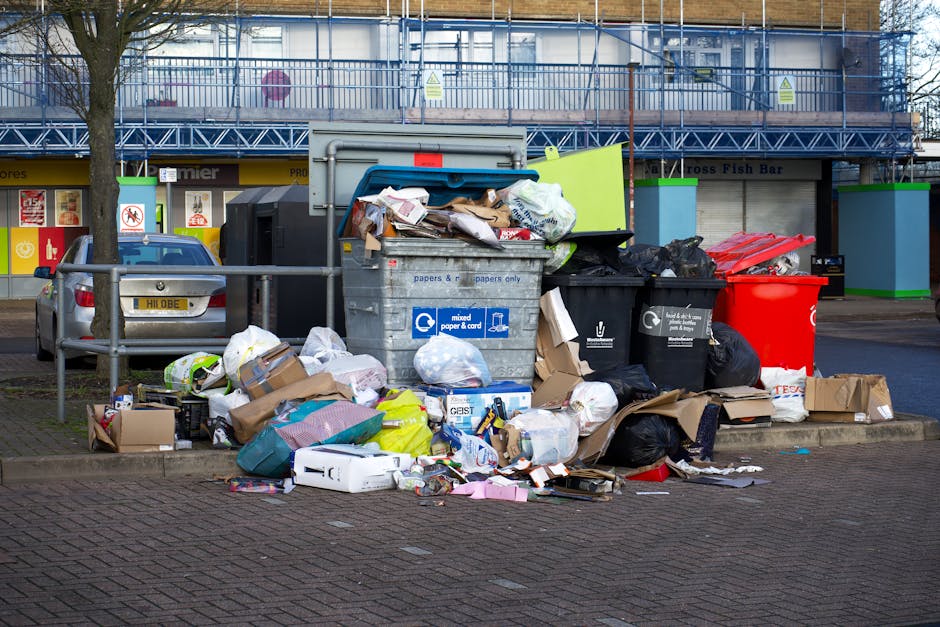
N10 Bin Collection Days: Local Rubbish & Recycling Guide

If you live in N10, bin day has a habit of becoming important exactly when you have too much rubbish, a missed collection, or a recycling box that's been sitting in the hallway a day too long. The good news is that N10 bin collection days are usually straightforward once you understand the local routine, what goes in each container, and how to avoid the little mistakes that cause delays or missed pick-ups. This guide walks you through the essentials in plain English, with practical advice for households, flats, landlords, and local businesses who just want the job done properly. Truth be told, once you've got the system down, it's far less hassle than it first looks.
Whether you are trying to stay on top of weekly rubbish, keep recycling clean, or sort out a bulkier clear-out, this article will help you make sense of the process and plan ahead with confidence.
- Why N10 bin collection days matter
- How the local collection system works
- Key benefits and practical advantages
- Who this guide is for
- Step-by-step guidance
- Expert tips for better results
- Common mistakes to avoid
- Tools, resources and recommendations
- Law, compliance, standards and best practice
- Options, methods and comparison table
- Case study or real-world example
- Practical checklist
- Conclusion
- Frequently asked questions
Why N10 Bin Collection Days: Local Rubbish & Recycling Guide Matters
N10 bin collection days matter because they affect everyday life in a very practical way. Miss the collection window and you may end up with bags stacked in a kitchen, a recycling box blown across the pavement, or refuse sitting around until the next round. In a busy area like Muswell Hill and the surrounding N10 streets, that can quickly turn from mildly annoying into a real nuisance.
For households, the benefit is obvious: less clutter, fewer smells, and a cleaner place to live. For flats and shared properties, clear collection routines also reduce conflict. Nobody enjoys the awkward conversation about whose food waste is leaking in the communal bin store. Nobody.
There is also a bigger picture. Good rubbish sorting and recycling habits help reduce contamination, which is one of the most common reasons recyclable material ends up rejected or diverted. A plastic tub with leftover food, for example, can affect the whole load. So yes, a bin day guide sounds simple, but in practice it saves time, avoids mess, and supports better local waste management.
How N10 Bin Collection Days: Local Rubbish & Recycling Guide Works
The basic principle is simple: different waste streams are collected on set days, then sorted for disposal or recycling. In most UK borough systems, households are given separate containers or sacks for general rubbish and recycling, and sometimes additional arrangements for garden waste, food waste, or bulky items. The exact pattern can vary by property type, street layout, and collection contract, so it is always worth checking the current local arrangements rather than relying on memory from last year.
In real life, the collection process works best when you prepare the night before. Put bins out in time, close lids properly, and avoid overfilling. If your street has narrow pavements or shared frontages, even small overspills can become a headache. You know how it goes: one windy evening, and suddenly the whole row of bags looks as if it has had a bad day.
Here is the general flow many residents will recognise:
- Sort waste into the correct container.
- Check the local day and any seasonal changes.
- Place bins or sacks out at the agreed time.
- Keep lids shut and access clear.
- Bring containers back in after collection where required.
It sounds basic, but most missed collections happen because of one of these steps being skipped or done a bit late. A slightly misplaced bin can be enough to miss the crew entirely.
Key Benefits and Practical Advantages
Getting bin collection days right has more benefits than people first expect. The obvious one is convenience. The less obvious ones are usually the ones that save money, stress, or both.
- Cleaner homes and shared areas: Waste is removed on a predictable cycle, so there is less chance of lingering smells or overflowing bags.
- Better recycling outcomes: Correct sorting improves the chance that recyclables are processed rather than rejected.
- Fewer pest problems: Securely stored waste attracts fewer pests than bags left out too early.
- Less time wasted: You avoid ad hoc trips to re-bag rubbish or chase missed bins.
- Improved neighbour relations: In flats and terraces, a reliable routine reduces friction in communal areas.
For small businesses and home workers, the advantages are slightly different but just as real. Regular waste removal keeps work areas tidy, prevents stock or packaging from piling up, and makes a premises look more professional. In a tight space, that matters more than people admit.
Expert summary: if you only do one thing, make collection day part of your weekly routine rather than treating it as an afterthought. That one habit solves a surprising number of waste problems.
Who This Is For and When It Makes Sense
This guide is useful for a wide range of people in N10. If you are a tenant, homeowner, landlord, property manager, or business owner, the same core issue applies: waste needs to leave the property on time and in the right format.
It makes particular sense if you are dealing with any of the following:
- A move-in or move-out period where waste builds up quickly
- A flat share where bin responsibilities are unclear
- A family home generating more recycling than usual after shopping or deliveries
- A garden clear-up, loft sort-out, or garage tidy
- A small office or studio trying to stay presentable
If you live in a shared building, bin day can be more complicated than in a house with a front garden and a neat row of containers. Access issues, mixed-use bins, and limited storage all make timing more important. If you've ever carried a black sack downstairs at 8:20 in the morning and found the bin already full, you'll know the feeling. Frustrating, but fixable.
It also makes sense for anyone who wants to reduce unnecessary waste service calls. A little planning can prevent the need for extra collections, temporary storage, or emergency clear-outs.
Step-by-Step Guidance
Here is a practical way to stay on top of N10 bin collection days without overthinking it.
1. Confirm what is collected and when
Start by checking your local collection pattern and the type of waste accepted in each container. Do not assume every street follows exactly the same routine, especially if you live in a block of flats or a mixed-use building.
2. Separate waste before collection day
Recycling should be clean and loose where possible. General waste should be bagged securely. If you are unsure about an item, set it aside rather than risking contamination. One dirty carton in the wrong place can create more trouble than you'd think.
3. Flatten and rinse where sensible
Cardboard takes up less room when flattened. Food containers and bottles are easier to recycle when they are reasonably clean. You do not need to scrub every item like it's going into a showroom, but you do need to remove obvious residue.
4. Put containers out at the right time
Many missed collections happen because bins are put out too late. The safest approach is to place them out the evening before if permitted locally, especially where early morning collections are common.
5. Keep access clear
Bins should not be blocked by cars, bikes, front gates, or building works. Collection crews need a clear route. In tight streets, even a small obstruction can slow everything down.
6. Bring bins back promptly
Once collected, return containers to their storage place if that is part of the local arrangement. It keeps pavements clear and helps avoid complaints from neighbours. Simple, but effective.
7. Track recurring problems
If your bin keeps being missed, note the day, time, location, and what was out. That helps identify whether the issue is timing, access, contamination, or something else entirely.
Expert Tips for Better Results
To be fair, most bin problems are small problems made worse by poor habits. A few practical adjustments can make collection day much smoother.
- Use clear labels in shared properties: If multiple households use the same bin store, labels cut down on confusion.
- Store recycling dry: Wet cardboard and soggy paper quickly become awkward and heavy.
- Keep a spare bag or caddy liner: Handy for unexpected food waste or small packaging loads.
- Watch for holiday timing changes: Bank holidays and seasonal shifts can affect schedules, so double-check in advance.
- Think ahead after deliveries: Flat-pack furniture, packaging, and cardboard can overwhelm a small bin system after one online order spree.
If you run a household with children, build the routine into the week. A quick "bin check" before bed can save a lot of morning chaos. It's hardly glamorous, but it works.
One more thing: if your property has limited storage, do not let full bags gather in hallways or porches for days on end. That is where smells, spills, and complaints start. Best avoided.
Common Mistakes to Avoid
Most collection issues are predictable. Once you know them, they are easier to prevent.
- Putting the wrong material in recycling: Greasy takeaway boxes, broken glass in the wrong stream, or plastic film in mixed recycling can all cause problems.
- Overfilling bins: If the lid will not close, collection may be refused in some systems.
- Leaving bins out the wrong day: A simple but surprisingly common mistake, especially after a bank holiday or missed routine.
- Blocking access: Cars, gates, and temporary works can make bins unreachable.
- Ignoring local instructions: Shared buildings and different streets sometimes have different setups.
One particularly common issue in N10-style residential streets is the "I thought someone else would do it" problem. In flats, everyone assumes the bin has already been moved, and somehow nobody moves it. Human nature, really.
Another issue is mixing bulky waste with ordinary household rubbish. If you have a sofa, mattress, or large broken item, it may need a separate arrangement rather than the standard bin collection. Do not cram it in and hope for the best. That rarely ends well.
Tools, Resources and Recommendations
You do not need a complicated system to manage bin days well, but a few simple tools help.
- Calendar reminders: A recurring phone reminder is often the easiest fix.
- Shared household message: In flat shares, a group chat or noticeboard can keep everyone aligned.
- Labelled storage area: If space allows, keep separate spots for general waste, recycling, and bulky items waiting for removal.
- Bag clips or bin straps: Useful on windy days when loose bags want to wander off.
- Checklist on the back door: Old-fashioned, yes. Still effective.
If you need help with larger clear-outs, it can also be useful to look at services such as waste removal for non-routine items, or recycling and sustainability guidance if you are trying to cut down what goes into general waste.
For homes that are getting cluttered, related services like house clearance, loft clearance, or garage clearance can be a practical next step when bin collection alone is not enough. In a busy week, that can be the difference between "we'll sort it later" and actually getting on with life.
Law, Compliance, Standards, or Best Practice
For everyday household bin use, the main focus is usually on local collection rules and sensible waste separation rather than complicated legal detail. That said, there are some important best-practice points that are worth respecting.
First, waste should be presented in the way the local authority or collection provider expects. If a property has specific bin rules, follow them. This is especially important in flats, HMOs, and business premises where one household's mistake can affect everyone else.
Second, businesses have a higher duty to manage waste responsibly. Commercial waste should be handled through appropriate arrangements, and it should not simply be placed into household containers unless that is explicitly permitted. If you operate from a small office, workshop, or studio, a proper service such as business waste removal or office clearance may be more suitable than trying to improvise.
Third, health and safety matters. Bags should not be overloaded, sharps should never be left loose, and heavy items should be handled carefully. It sounds obvious until someone lifts a broken chair awkwardly and tweaks their back. Not fun.
Where a property has internal waste storage, landlords and managers should keep access routes clear and make sure bins do not create fire hazards or trip risks. Good practice is not about being fussy. It is about keeping people safe and avoiding avoidable mess.
Options, Methods, or Comparison Table
Different types of waste need different approaches. Here is a simple comparison to help you decide what makes sense for common situations in N10.
| Waste type | Best approach | Typical use case | What to watch for |
|---|---|---|---|
| General household rubbish | Bag securely and place in the correct residual bin | Food packaging, non-recyclable items, mixed waste | Avoid overfilling and keep lids shut |
| Recycling | Sort clean, accepted materials separately | Paper, card, bottles, cans and similar items | Contamination can cause rejection |
| Garden waste | Use the relevant garden collection or separate disposal route | Grass cuttings, branches, hedge trimmings | Do not mix soil-heavy loads unless accepted |
| Bulky items | Arrange a specialist clear-out or collection | Furniture, mattresses, large broken items | Do not force bulky waste into normal bins |
| Commercial waste | Use a dedicated business service | Offices, shops, studios, shared premises | Household bins are usually not appropriate |
If your problem is mainly one large item rather than a regular bin issue, a service like furniture clearance or furniture disposal may be more efficient than waiting for the next standard round. Similarly, after a renovation or DIY job, builders waste clearance is usually the better route.
Case Study or Real-World Example
Here is a realistic example from a typical N10 household situation. A family in a terrace near a busy high street had two recurring problems: recycling kept overflowing by Thursday, and the general waste bin was often too full to close properly. The result was a messy side return, bags left out too early, and the occasional complaint from next door.
They did not need a dramatic overhaul. They needed a small system.
First, they split cardboard immediately after deliveries rather than waiting until the pile became unmanageable. Second, they moved the recycling box to a more visible place in the kitchen, so bottles and paper were easier to sort. Third, they set a recurring phone reminder for the evening before collection day. Nothing fancy. Just a few habits working together.
Within a couple of weeks, the house felt calmer. There were fewer bags by the back door, and the bin area no longer looked like it was permanently mid-move. That is often how it goes. The fix is not grand, just consistent.
For larger tidy-ups, they later booked a home clearance for stored clutter in the loft and spare room, which reduced pressure on the weekly collection system. It was a good example of using the right solution for the right problem.
Practical Checklist
Use this quick checklist before collection day. It keeps things simple.
- Check the correct collection day for your property
- Separate recycling from general waste
- Rinse items if needed and flatten cardboard
- Make sure lids close properly
- Put bins out at the right time
- Keep access clear for collection crews
- Remove bins after emptying if required
- Log any missed collection or access issue
- Plan ahead for bank holidays or schedule changes
- Arrange bulky waste separately rather than forcing it into normal bins
If you are dealing with a seasonal clear-up, garden waste build-up, or a property that has simply accumulated too much stuff, services such as garden clearance or flat clearance can help you reset the situation without turning bin day into a weekly battle.
Conclusion
N10 bin collection days do not have to be a guessing game. Once you understand the routine, know what goes where, and keep a few practical habits in place, rubbish and recycling become far easier to manage. That means less clutter, fewer missed collections, and a home or workplace that feels more under control.
The key is consistency. Keep the schedule visible, sort waste properly, and use the right disposal route for bulky or special items. Small changes really do make a difference, especially in shared streets and busy homes.
If you need help beyond standard bin collection, explore the right support for the job rather than letting waste pile up. A tidy space makes everything feel lighter. Honestly, it does.
Get a free quote today and see how much you can save.
Frequently Asked Questions
What are N10 bin collection days?
N10 bin collection days are the scheduled days when household rubbish, recycling, or other waste streams are collected in the N10 area. The exact timing depends on your property type and local arrangements, so it is best to confirm the current schedule for your address.
How do I know which bin goes out on which day?
Check the collection instructions for your property or local waste service. In many homes, recycling and general waste follow different routines. If you live in a flat or shared building, there may be separate instructions for communal bins as well.
What should I do if my bin was not collected?
First, check whether it was placed out on time and whether access was clear. Also make sure the contents were sorted correctly and the lid could close. If none of that explains it, keep a note of the issue and follow the usual local reporting process.
Can I put extra rubbish next to the bin?
Usually no, unless that is specifically allowed for a special collection. Loose bags beside a bin are often left behind. If you have more waste than usual, it is better to arrange a separate clearance rather than hoping the extra will disappear.
What counts as recycling in a typical N10 household?
Common recyclables usually include items such as paper, cardboard, cans, and some plastics, but accepted materials can vary. The safest approach is to follow the guidance for your property and avoid putting in items that are greasy, dirty, or not clearly accepted.
Do I need to clean containers before recycling them?
They do not need to be spotless, but they should be reasonably empty and free from heavy residue. A quick rinse is often enough for food containers. This helps reduce contamination and keeps the recycling load in better condition.
What should I do with bulky waste like furniture?
Bulky items are usually better handled through a dedicated clearance service rather than the regular bin round. Options like furniture clearance or house clearance are often more practical for sofas, wardrobes, mattresses, and similar items.
Are bin collection rules different for flats?
Yes, they often are. Flats may have communal bins, shared storage areas, or different presentation rules. Access and timing are especially important in these settings, and residents may need to follow building-specific arrangements as well as local waste guidance.
Can businesses use household bin collection services?
Usually not in the normal way. Businesses should use a suitable commercial waste arrangement. For offices, studios, and similar premises, a dedicated service such as business waste removal or office clearance is generally more appropriate.
How can I avoid missed collections in bad weather or windy conditions?
Put bins out as instructed, close lids securely, and use simple measures to stop bags from blowing around. In windy weather, it helps to avoid overfilling and to check that items are contained properly. A small extra effort saves a lot of mess.
What is the best way to stay organised each week?
A recurring phone reminder, a clear storage spot for bins, and a simple household routine usually work best. If you live with other people, a shared message or notice can stop the classic "I thought someone else did it" problem before it starts.
When should I consider a clearance service instead of regular bin collection?
If waste is building up faster than the normal collection can handle, or you have bulky, awkward, or time-sensitive items, a clearance service is usually the smarter choice. It is especially helpful after moving, decorating, garden work, or a big sort-out.
Is recycling really worth the effort?
Yes. Even small improvements in sorting and presentation can make the process smoother and reduce waste going into general rubbish. Plus, it keeps homes tidier, which is no bad thing. A small win, but a real one.